
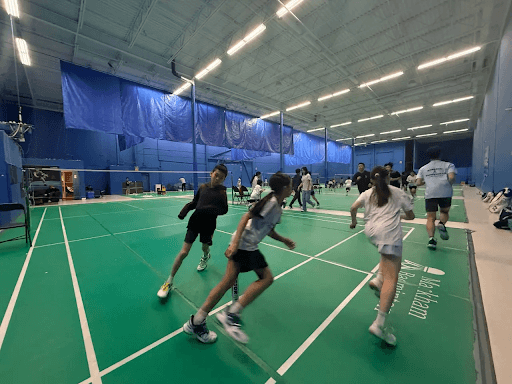
Loyalty Programs That Keep Badminton Players Coming Back
Learn how to build a badminton loyalty program with simple rewards, referral incentives, VIP memberships, and sustainable benefits that encourage repeat play.
How many badminton clubs do you know that reward their loyal members but don't really have a clue about what they're doing? Players earn points but then get confused, rewards are a hassle to get their hands on, and staff are stuck explaining the same old thing all day long while their customers all but ignore it.
A loyalty program that really works should be straightforward, worth the customer's while, and won't break the bank. People come back to badminton clubs because they enjoy it - and the rewards don't replace that; they just make it a bit more fun.
The best loyalty programs make customers get value out of playing regularly, and the next visit seems worthwhile.
What Is a Badminton Loyalty Program?
A badminton loyalty program is a structured way of rewarding customers for valuable actions such as:
- Completing court bookings
- Attending coaching sessions
- Renewing memberships
- Purchasing packages
- Joining leagues or tournaments
- Booking during selected off-peak periods
- Referring new paying customers
- Reaching participation milestones
The goal is not to offer constant discounts. Instead, the program should encourage repeat participation while strengthening long-term customer relationships. repeat participation
For a broader revenue strategy, read 12 Ways to Increase Revenue at Your Badminton Club.
Start with One Loyalty Goal
Before deciding on points or rewards, identify the behavior the club wants to encourage.
Common goals include:
- More repeat court bookings
- Better membership renewals
- Increased coaching participation
- More qualified referrals
- Stronger off-peak participation
- Better engagement from occasional players
Trying to reward every possible action often creates unnecessary complexity and makes the program harder for customers to understand.
Choose the Right Reward System
Several loyalty structures can work well for badminton clubs.
| Program Type | Best Use |
|---|---|
| Points | Clubs rewarding several different activities |
| Court credits | Encouraging repeat bookings |
| Participation milestones | Rewarding coaching, leagues, or regular attendance |
Whatever structure is chosen, customers should quickly understand:
- How rewards are earned
- Their current balance
- What they can redeem
- When rewards expire
Simple programs are usually easier for both customers and staff than complicated point calculations.
Offer Rewards That Encourage Another Visit
The most effective rewards usually encourage another booking instead of simply reducing today's price.
Examples include:
- Off-peak court credits
- Guest passes
- Equipment rental
- Coaching credits
- Tournament or event entry
- Package bonuses
- Priority registration
- Member-only social sessions
- Small merchandise rewards
Different customers appreciate different rewards.
| Customer | Reward Example |
|---|---|
| Beginner | Coaching credit |
| Social player | Guest pass |
| Frequent player | Court credit |
| Junior family | Program credit |
| Competitive player | Priority league registration |
A reward should be useful, achievable, easy to redeem, and affordable for the club to provide. easy to redeem
Make Sure the Program Is Financially Sustainable
Rewards are not free.
Before launching a program, estimate:
- Reward cost
- Administration
- Staff time
- Software costs
- Redemption rate
- Additional bookings created
- Customer retention
- Overall contribution
Use the simple principle:
Incremental contribution from loyalty-driven activity − reward and program costs = loyalty program contribution
Example:
- Additional contribution from repeat activity: $900
- Reward cost: $210
- Administration and software: $140
Estimated contribution:
$900 − $350 = $550
This is a planning example rather than a guaranteed outcome.
A loyalty program should generate more value than it costs to operate. EY
Reward Referrals Properly
Referral rewards work best when they recognize completed business rather than simple introductions.
A practical process is:
- An existing customer shares a referral code.
- The new customer completes an eligible paid booking.
- The referral is verified.
- The reward is issued.
- Both customers receive confirmation.
Rules should explain:
- Which purchases qualify
- Reward timing
- Self-referrals
- Duplicate accounts
- Refunds
- Cancellations
- Maximum rewards
- Expiration
Rewards should normally follow a completed qualifying purchase rather than the submission of a name or email address. Referral rewards
Keep Review Incentives Separate
Always ask customers to give honest feedback when asking them to leave reviews, never tell them what to say or write. No matter if the opinion is good or bad, reviews should be genuine to ensure long term customer trust and authenticity.
Don't give rewards or incentives based on a positive or a five-star review. Rather, employ neutral language like, “Describe your real story.” This strategy ensures fair review practices, transparency, and the credibility of customer reviews, which is beneficial for businesses and future customers alike.
Create VIP Memberships with Clear Value
A VIP badminton membership should provide meaningful benefits rather than simply another discount.
Possible benefits include:
- Priority booking
- Monthly court credits
- Guest passes
- Reduced coaching rates
- Exclusive social sessions
- Faster league registration
- Equipment benefits
- Special member events
Every VIP plan should clearly explain:
- Price
- Billing frequency
- Included benefits
- Guest rules
- Credit expiration
- Renewal
- Cancellation
- Booking restrictions
VIP members should receive additional value without making normal court access unnecessarily difficult for other customers.
For more ideas, read How to Grow Membership at Your Badminton Club.
Use Fair Expiration Rules
Rewards and points may expire, but customers should understand exactly how the program works.
Communicate:
- Current balance
- Reward availability
- Upcoming expiration
- Referral status
- VIP benefits
The rules should be easy to understand and visible before customers begin earning rewards.
Expiration should encourage participation rather than prevent redemption. Upcoming expiration
Prevent Misuse Without Making the Program Difficult
An efficient rewards program should be designed in a manner that minimizes the possibility of abuse while remaining attractive to customers.
Therefore, a reward program should be created with a set of basic controls to prevent its exploitation by customers and keep the ability to gain rewards simple and convenient for those who genuinely want to participate.
Some of the suggested mechanisms are relatively straightforward, such as limiting program participation to one account per customer, providing rewards only after attending, and checking referrals.
Refunds should be issued if rewards are returned, and special staff approval should be required in exceptional cases, such as when credits are issued. Finally, it is essential to ensure that all adjustments are documented for auditing purposes.
Measure Whether the Program Works
Useful loyalty metrics include:
- Participation rate
- Repeat-booking rate
- Redemption rate
- Referral conversion rate
- Reward cost
- Loyalty program contribution
- Customer retention rate
- Average booking frequency
- VIP renewal rate
Enrollment numbers alone do not prove success.
The club should evaluate whether participants actually return more often and create greater long-term value.
For more on long-term engagement, read Customer Retention Strategies for Badminton Facilities and Why Recurring Bookings Increase Revenue.
Frequently Asked Questions
Do Loyalty Programs Ever Work For Badminton Clubs?
The answer is yes - they can work, as long as they actually reward people for participating in a meaningful way, don't get too complicated to understand, and actually encourage people to come back time and time again.
How Do You Make a Badminton Points System Work Without Driving People Crazy?
Simple - just make sure customers know exactly how points are earned, tracked, and redeemed. And for goodness' sake, tell them how long they've got to use those points before they expire!
What's the Best way to Structure Badminton Referral Rewards?
Good question. Generally speaking, you only want to give out rewards when a new customer has actually paid for and completed a booking or made a purchase.
Are VIP Badminton Memberships Worth Offering?
The short answer is - yes, they can be, but only if they actually offer some real benefits that customers will actually appreciate, and won't kill the club financially - and at the same time, still leave room for non-VIP customers to get a court time or two.
Conclusion
The secret to a successful badminton rewards program is simple - it's got to be easy to understand, worth enough to get customers coming back, and financially sustainable so the club can keep it running for the long haul.
And it's not just about throwing out coupons and discounts - we're talking about rewarding real participation and building long-term relationships.
The strongest programs reward real participation, keep customers coming back, and actually build relationships that last, rather than constantly throwing out discounts to keep people interested.